Krishnaexporters

Author name: sales@krishnaexporters.in

Public

Finding freedom A guide to overcoming gambling addiction

Finding freedom A guide to overcoming gambling addiction Understanding Gambling Addiction Gambling addiction, often referred to as compulsive gambling, is a serious condition that can affect individuals from all walks of life. It is characterized by an uncontrollable urge to gamble, despite the negative consequences that may arise. This addiction can lead to financial difficulties, strained relationships, and emotional distress. Recognizing the signs of gambling addiction is the first step toward recovery and finding freedom. For example, at a fastest payout online casino, the allure of quick wins can further entrench individuals in their addiction. Common signs include preoccupation with gambling, increasing amounts of money spent on gambling, and lying to conceal the extent of gambling habits. Those affected may find themselves chasing losses, which only exacerbates their situation. Understanding these behaviors can help individuals identify their struggles and take proactive steps toward recovery. The Impact of Gambling on Life The effects of gambling addiction extend beyond the individual and can impact families, friendships, and communities. Financial ruin is often a significant consequence, as many individuals may accumulate massive debts in their pursuit of wins. This financial strain can lead to stress, anxiety, and depression, creating a vicious cycle that is hard to escape. Furthermore, the social stigma surrounding gambling addiction can prevent individuals from seeking help. Many feel ashamed or embarrassed about their addiction, which can lead to isolation. It is essential to recognize that gambling addiction is a treatable condition, and support is available for those willing to seek it. Steps to Overcoming Gambling Addiction Overcoming gambling addiction requires a multi-faceted approach. The first step is admitting that there is a problem and making the commitment to change. Many individuals find it beneficial to seek professional help through therapy or counseling, where they can explore the root causes of their addiction and develop coping strategies. Support groups can also be instrumental in recovery. Engaging with others who share similar experiences can provide a sense of community and understanding. Group settings often foster accountability, encouraging individuals to stick to their recovery plans while sharing their challenges and victories. Healthy Alternatives to Gambling Finding healthy alternatives to gambling is crucial for recovery. Engaging in new hobbies or interests can redirect the focus away from gambling and help fill the void it once occupied. Activities such as exercise, art, or volunteering can provide fulfillment and joy without the risks associated with gambling. Additionally, learning to manage stress through mindfulness practices or relaxation techniques can significantly aid in recovery. By developing healthy coping mechanisms, individuals can better handle the triggers that may lead them back to gambling, thereby strengthening their resolve to stay free from addiction. Resources and Support for Recovery Various resources are available to assist those overcoming gambling addiction. Organizations dedicated to providing support can offer guidance, counseling, and recovery programs tailored to individual needs. These resources often focus on building a support network and equipping individuals with the tools they need to maintain their sobriety. While the journey to recovery may be challenging, it is essential to remember that freedom from gambling addiction is achievable. Embracing the support of others, understanding one’s triggers, and committing to a healthier lifestyle can lead to a fulfilling life free from the chains of gambling.
Public

Myths about casinos What you need to know

Myths about casinos What you need to know Understanding Casino Operations Many people assume that casinos operate solely to make money off the players. While it’s true that casinos are businesses aiming for profit, they also focus on creating an enjoyable atmosphere for their patrons. The design of a casino, whether online or land-based, is meticulously planned to enhance the gaming experience and encourage players to stay longer. For those interested, exploring online pokies real money australia can be an exciting venture. Moreover, casinos are governed by strict regulations and laws that ensure fair play. They employ random number generators for online games and use sophisticated surveillance systems in physical locations. This means that players have a fair chance of winning, contrary to the myth that casinos always have the upper hand. The House Always Wins One of the most prevalent myths is that the house always wins, which implies that players have little to no chance of winning. While it is true that games are designed with a house edge, this does not mean players cannot win. Many players walk away with significant winnings, especially when they understand the game mechanics and employ effective strategies. Furthermore, the outcomes of games like slots or roulette can be random. Some players enjoy incredible luck, while others may not fare as well. Thus, it’s essential to approach gambling with a balanced mindset, recognizing that both wins and losses are part of the experience. Online Casinos Are Not Safe Another myth that persists is that online casinos are not safe. However, reputable online casinos utilize advanced encryption technologies to protect players’ personal and financial information. These sites are often licensed and regulated by authoritative bodies, ensuring that they adhere to strict security measures. Additionally, online casinos offer various payment methods, allowing players to choose the most secure options for their transactions. Players can enjoy a safe gaming experience as long as they select licensed and reputable platforms. All Casino Games Are Based on Luck While luck plays a significant role in many casino games, it’s a misconception that all games are entirely based on chance. Skill-based games like poker or blackjack require a strategic approach, as players can influence the outcome through their decisions and tactics. Understanding the rules and developing a strategy can improve a player’s odds significantly. Moreover, even in games of chance, such as slots, there are strategies that players can employ to maximize their enjoyment and potentially increase their winnings. Knowledge of game mechanics can empower players to make more informed decisions. Your Go-To Resource for Gaming Information Our website serves as a comprehensive resource for understanding the world of casinos, both online and land-based. We provide insights into the myths surrounding casinos, offering players valuable information to navigate the gaming landscape confidently. Our goal is to help players make informed choices by dispelling misconceptions and providing factual content. Whether you’re a novice or an experienced player, our site features in-depth articles and comparisons of various casinos, ensuring you have all the necessary information at your fingertips for a safe and enjoyable gaming experience.

Public

Coronavirus disease 2019

Coronavirus disease 2019 COVID-19 is a contagious disease caused by the coronavirus SARS-CoV-2. In January 2020, the disease spread worldwide, resulting in the COVID-19 pandemic. The symptoms of COVID‑19 can vary but often include fever,[7] fatigue, cough, breathing difficulties, loss of smell, and loss of taste.[8][9][10] Symptoms may begin one to fourteen days after exposure to the virus. At least a third of people who are infected do not develop noticeable symptoms.[11][12] Of those who develop symptoms noticeable enough to be classified as patients, most (81%) develop mild to moderate symptoms (up to mild pneumonia), while 14% develop severe symptoms (dyspnea, hypoxia, or more than 50% lung involvement on imaging), and 5% develop critical symptoms (respiratory failure, shock, or multiorgan dysfunction).[13] Older people have a higher risk of developing severe symptoms. Some complications result in death. Some people continue to experience a range of effects (long COVID) for months or years after infection, and damage to organs has been observed.[14] Multi-year studies on the long-term effects are ongoing.[15] COVID‑19 transmission occurs when infectious particles are breathed in or come into contact with the eyes, nose, or mouth. The risk is highest when people are in close proximity, but small airborne particles containing the virus can remain suspended in the air and travel over longer distances, particularly indoors. Transmission can also occur when people touch their eyes, nose, or mouth after touching surfaces or objects that have been contaminated by the virus. People remain contagious for up to 20 days and can spread the virus even if they do not develop symptoms.[16] Testing methods for COVID-19 to detect the virus’s nucleic acid include real-time reverse transcription polymerase chain reaction (RT‑PCR),[17][18] transcription-mediated amplification,[17][18][19] and reverse transcription loop-mediated isothermal amplification (RT‑LAMP)[17][18] from a nasopharyngeal swab.[20] Several COVID-19 vaccines have been approved and distributed in various countries, many of which have initiated mass vaccination campaigns. Other preventive measures include physical or social distancing, quarantining, ventilation of indoor spaces, use of face masks or coverings in public, covering coughs and sneezes, hand washing, and keeping unwashed hands away from the face. While drugs have been developed to inhibit the virus, the primary treatment is still symptomatic, managing the disease through supportive care, isolation, and experimental measures.

Public

Coronavirus disease 2019

Coronavirus disease 2019 COVID-19 is a contagious disease caused by the coronavirus SARS-CoV-2. In January 2020, the disease spread worldwide, resulting in the COVID-19 pandemic. The symptoms of COVID‑19 can vary but often include fever,[7] fatigue, cough, breathing difficulties, loss of smell, and loss of taste.[8][9][10] Symptoms may begin one to fourteen days after exposure to the virus. At least a third of people who are infected do not develop noticeable symptoms.[11][12] Of those who develop symptoms noticeable enough to be classified as patients, most (81%) develop mild to moderate symptoms (up to mild pneumonia), while 14% develop severe symptoms (dyspnea, hypoxia, or more than 50% lung involvement on imaging), and 5% develop critical symptoms (respiratory failure, shock, or multiorgan dysfunction).[13] Older people have a higher risk of developing severe symptoms. Some complications result in death. Some people continue to experience a range of effects (long COVID) for months or years after infection, and damage to organs has been observed.[14] Multi-year studies on the long-term effects are ongoing.[15] COVID‑19 transmission occurs when infectious particles are breathed in or come into contact with the eyes, nose, or mouth. The risk is highest when people are in close proximity, but small airborne particles containing the virus can remain suspended in the air and travel over longer distances, particularly indoors. Transmission can also occur when people touch their eyes, nose, or mouth after touching surfaces or objects that have been contaminated by the virus. People remain contagious for up to 20 days and can spread the virus even if they do not develop symptoms.[16] Testing methods for COVID-19 to detect the virus’s nucleic acid include real-time reverse transcription polymerase chain reaction (RT‑PCR),[17][18] transcription-mediated amplification,[17][18][19] and reverse transcription loop-mediated isothermal amplification (RT‑LAMP)[17][18] from a nasopharyngeal swab.[20] Several COVID-19 vaccines have been approved and distributed in various countries, many of which have initiated mass vaccination campaigns. Other preventive measures include physical or social distancing, quarantining, ventilation of indoor spaces, use of face masks or coverings in public, covering coughs and sneezes, hand washing, and keeping unwashed hands away from the face. While drugs have been developed to inhibit the virus, the primary treatment is still symptomatic, managing the disease through supportive care, isolation, and experimental measures.

Public

Coronavirus disease 2019

Coronavirus disease 2019 COVID-19 is a contagious disease caused by the coronavirus SARS-CoV-2. In January 2020, the disease spread worldwide, resulting in the COVID-19 pandemic. The symptoms of COVID‑19 can vary but often include fever,[7] fatigue, cough, breathing difficulties, loss of smell, and loss of taste.[8][9][10] Symptoms may begin one to fourteen days after exposure to the virus. At least a third of people who are infected do not develop noticeable symptoms.[11][12] Of those who develop symptoms noticeable enough to be classified as patients, most (81%) develop mild to moderate symptoms (up to mild pneumonia), while 14% develop severe symptoms (dyspnea, hypoxia, or more than 50% lung involvement on imaging), and 5% develop critical symptoms (respiratory failure, shock, or multiorgan dysfunction).[13] Older people have a higher risk of developing severe symptoms. Some complications result in death. Some people continue to experience a range of effects (long COVID) for months or years after infection, and damage to organs has been observed.[14] Multi-year studies on the long-term effects are ongoing.[15] COVID‑19 transmission occurs when infectious particles are breathed in or come into contact with the eyes, nose, or mouth. The risk is highest when people are in close proximity, but small airborne particles containing the virus can remain suspended in the air and travel over longer distances, particularly indoors. Transmission can also occur when people touch their eyes, nose, or mouth after touching surfaces or objects that have been contaminated by the virus. People remain contagious for up to 20 days and can spread the virus even if they do not develop symptoms.[16] Testing methods for COVID-19 to detect the virus’s nucleic acid include real-time reverse transcription polymerase chain reaction (RT‑PCR),[17][18] transcription-mediated amplification,[17][18][19] and reverse transcription loop-mediated isothermal amplification (RT‑LAMP)[17][18] from a nasopharyngeal swab.[20] Several COVID-19 vaccines have been approved and distributed in various countries, many of which have initiated mass vaccination campaigns. Other preventive measures include physical or social distancing, quarantining, ventilation of indoor spaces, use of face masks or coverings in public, covering coughs and sneezes, hand washing, and keeping unwashed hands away from the face. While drugs have been developed to inhibit the virus, the primary treatment is still symptomatic, managing the disease through supportive care, isolation, and experimental measures.

Blog

Why Choosing the Right Spice Exporter Matters for Your Business

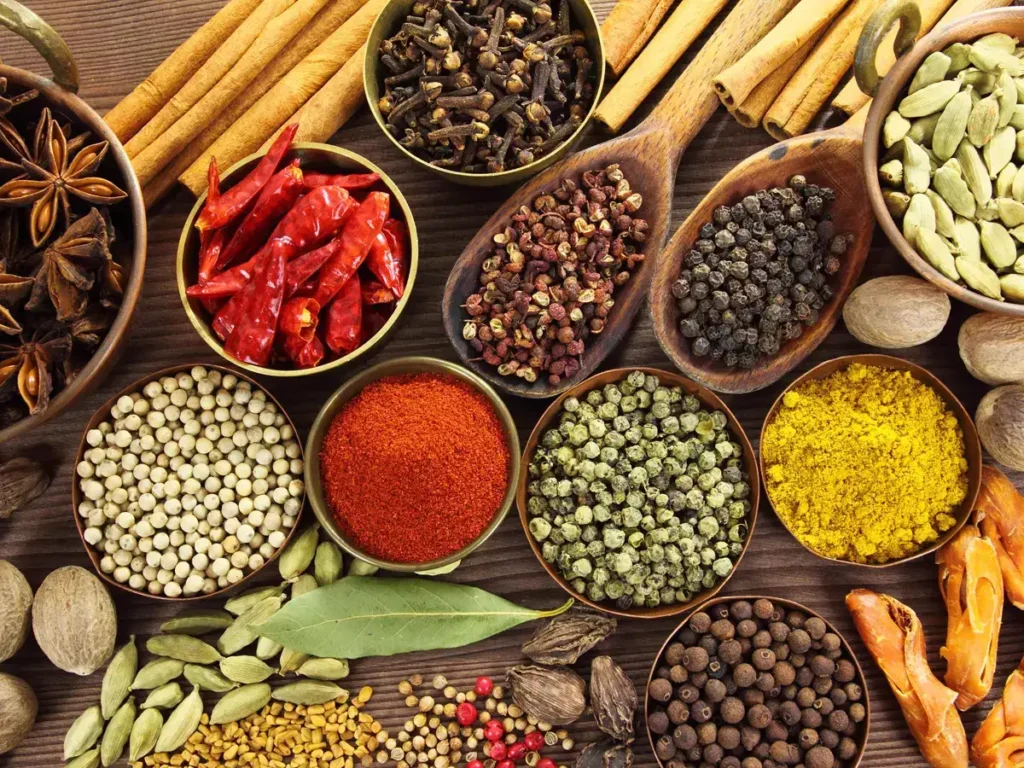
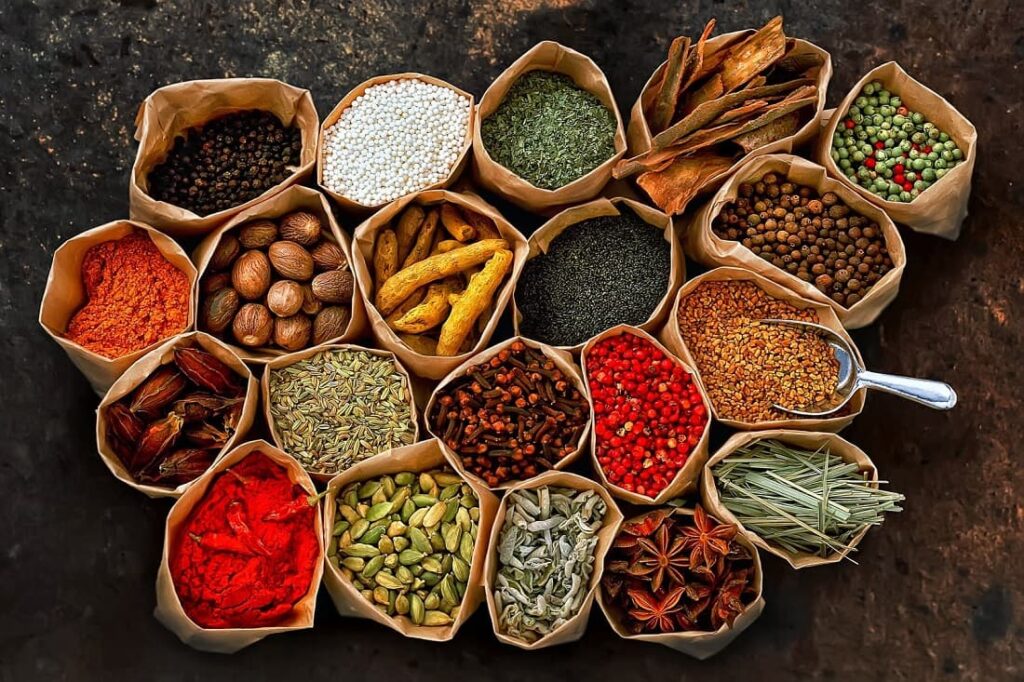
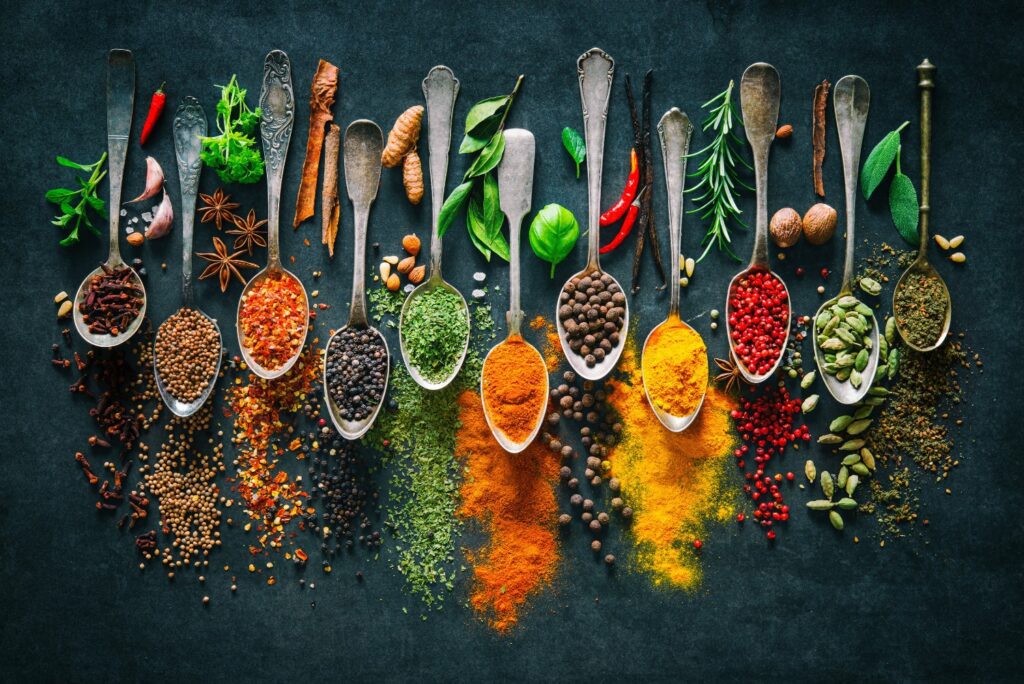
In the global food industry, spices are more than just ingredients — they are the foundation of taste, consistency, and brand identity. For businesses such as restaurants, food manufacturers, wholesalers, and retailers, choosing the right spice exporter can directly impact product quality and customer satisfaction. Here’s why selecting the right exporter matters. Firstly, a reliable exporter ensures consistent quality. Fluctuating taste or aroma can damage the reputation of a food brand. A trusted exporter like Krishna Exporters provides uniform grading, fresh batches, and strict quality checks, ensuring the same premium flavor every time. Secondly, global trade requires compliance with international standards. Certifications, packaging regulations, and hygiene standards must be followed accurately. An experienced exporter handles documentation, quality testing, and export processes smoothly, helping businesses avoid delays. Another major advantage is timely supply and strong logistics. For bulk buyers, running out of spices can affect production and sales. An exporter with a strong logistics network guarantees timely deliveries across countries without compromising freshness. Customization is also important. Many businesses require specific spice blends, roasting levels, or packaging formats. A professional exporter listens to these requirements and provides tailored solutions to match the client’s needs. Finally, long-term partnership with a trustworthy exporter helps businesses scale confidently, expand to new markets, and maintain high product standards. At Krishna Exporters, we combine quality, authenticity, and a robust export system to ensure our clients receive the best spices — on time, every time. With us, your business is backed by a reliable supply chain and unmatched spice expertise.

Blog

How to Identify High-Quality Spices: A Complete Buyer’s Guide

With the rising popularity of spices around the world, identifying genuine and high-quality spices has become essential for consumers, retailers, and food businesses. High-quality spices don’t just enhance flavor — they also provide better aroma, color, and health benefits. Here is a complete guide to help you choose the best. The first key factor is freshness. Good spices should always have a natural aroma when lightly crushed. If a spice has a dull smell or no fragrance at all, it has likely lost its potency. Fresh spices deliver better taste and nutritional value, especially in blends like garam masala or curry powder. Next, consider color and appearance. Pure turmeric should have a bright golden-yellow tone, premium red chilli powder should be vibrant, and coriander should look clean and naturally greenish-brown. Avoid spices that look too shiny or unnaturally bright, as they may contain artificial colors or additives. Texture is another important indicator. Whole spices such as cumin, cloves, cardamom, and pepper should feel firm and heavy for their size. Broken, shriveled, or lightweight seeds often signal poor quality or old stock. Purity is a major concern in today’s market. Many low-grade spices are adulterated with fillers, colors, or powders. Always choose spices from trusted brands like Krishna Exporters, who follow strict quality control measures, proper cleaning, grading, and hygienic packaging. Packaging also plays a big role in maintaining quality. Spices must be stored in airtight, moisture-free packaging to preserve aroma and prevent contamination. Look for sealed packs with clear labeling and batch information. Storage at home or stores is equally important. Keep spices away from heat, direct sunlight, and moisture. Airtight containers help maintain freshness for a longer period. By following these steps, buyers can easily identify and enjoy the true essence of authentic spices. At Krishna Exporters, we ensure every product meets global quality standards so customers can trust what they are buying.

Blog

The Global Demand for Indian Spices: Why the World Loves Our Flavors

Indian spices have shaped global cuisine for centuries. From ancient trade routes to modern food industries, India has always been recognized as the Spice Capital of the World. Today, the demand for Indian spices continues to rise rapidly, and Krishna Exporters proudly contributes to this rich legacy. But what makes Indian spices so loved across the globe? The first reason lies in India’s diverse climate and rich soils, which allow the growth of a wide range of spices — from strong and earthy cumin to vibrant turmeric, fiery red chilli, fragrant cardamom, and rich pepper. Each region of India carries its own authentic spice profile, making Indian spices truly unique and irreplaceable. No other country offers such a vast and consistent supply of high-quality spices. Another major factor is flavor authenticity. Indian spices are known for delivering bold, deep, and aromatic flavors. They are natural flavor enhancers that can transform even a simple dish into a memorable culinary experience. Whether it’s curries, grilled foods, soups, or international gourmet dishes, Indian spices add complexity, warmth, and character. The global increase in health awareness has also boosted demand. Spices like turmeric, black pepper, ginger, and cinnamon are widely recognized for their medicinal and antioxidant properties. With the rise of natural healing and clean-label foods, people across the world prefer Indian spices for their purity and healing benefits. Additionally, Indian spices play a significant role in global food manufacturing industries. Ready-to-eat foods, snack companies, spice blends, instant mixes, and restaurants rely heavily on the consistency and quality of Indian spices. Their versatility makes them suitable for cuisines such as Asian, Middle Eastern, Mediterranean, European, and American. Krishna Exporters ensures that this global demand is met with the highest-quality products, strict hygiene standards, and a seamless export process. Our handpicked spices undergo cleaning, grading, and packaging to maintain international quality benchmarks. As global food culture continues to evolve, Indian spices will remain at the center of world cuisine. Their unmatched aroma, purity, and heritage make them timeless treasures — and Krishna Exporters is proud to be a trusted partner in delivering this excellence worldwide.

Submit Your Requirements